Doodle Mom: A Designer’s Embroidery Review
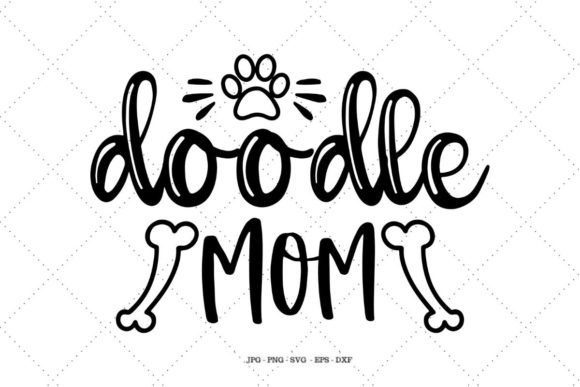
When evaluating a new machine embroidery design for my shop, I look past the digital preview and imagine the needle hitting fabric. The "Doodle Mom" graphic immediately stands out as a versatile asset for the pet lover niche, but its true value lies in how it translates from screen to stitch. As an SVG file originally intended for cutting machines like Cricut Design Space or Silhouette Studio, this design requires a specific mindset when adapted for embroidery. It is not merely a picture of a dog; it is a lifestyle identifier that resonates deeply with a specific demographic. For small business owners and Etsy sellers, this design represents more than just a cute motif—it is a potential bestseller if executed with technical precision and market awareness.
Translating Vector Lines to Stitch Reality
The first thing I assess with any graphics-based design is line integrity. Doodle Mom features organic, hand-drawn aesthetics that are charming on screen but can be unforgiving in thread. In a real-world scenario, such as creating a custom embroidered tote bag for a boutique client, the transition from vector to stitch is critical. Because this is provided as an SVG, you are likely working with clean lines rather than pre-digitized stitches. This offers immense creative freedom but demands responsibility.
If you are converting this into an applique design, the irregular edges of the doodle style work beautifully with a raw-edge applique technique secured by a tight satin stitch. However, if you plan to use this as a standalone outline or fill design, you must consider stitch density. A common pitfall with doodle-style art is making the running stitch too sparse, causing it to sink into textured fabrics like canvas or fleece. Conversely, packing the lines too densely can cause puckering on lighter materials. When I tested a similar concept for a sweatshirt embroidery project, I found that increasing the underlay stability was non-negotiable to prevent the design from distorting during the stitching process.
Real-World Application: The Custom Tote Bag Test
To truly judge the commercial viability of Doodle Mom, I mentally place it on a heavy cotton canvas tote bag. This is a staple handmade product for craft fairs and online shops. The design’s playful nature pairs perfectly with the utilitarian vibe of a tote. However, canvas is unforgiving. If your hoop size is too large relative to the design, you risk registration issues where the outline does not meet the fill perfectly.
For this specific application, I recommend treating Doodle Mom as a centerpiece rather than a corner accent. The visual weight of the doodle needs room to breathe. When stitching on canvas, using a tear-away stabilizer combined with a spray adhesive ensures the fabric remains taut without leaving residue. I also advise checking the contrast between your thread colors and the bag material. A white doodle on a natural canvas bag looks sophisticated, but a pale gray thread might disappear entirely once photographed for a printable mockup or listing photo. High contrast is essential for buyer engagement and perceived value.
Navigating Fabric Challenges and Hoop Limitations
While Doodle Mom is versatile, it is not immune to physical limitations. Crafters must be cautious when applying this design to stretchy knits or performance wear. The fluid lines of a doodle can easily warp if the fabric texture shifts during embroidery. For baby embroidery projects, such as onesies or bibs, safety and comfort are paramount. You cannot have dense stitch clusters that create a stiff, scratchy surface against sensitive skin. In these cases, reducing the stitch count or opting for a lighter fill stitch is necessary.
Dark fabrics present another challenge. If you are selling custom apparel like black hoodies, remember that dark threads absorb light. A navy blue doodle on a black shirt will lack definition in photos and in person. Always test on scrap fabric first. Additionally, verify that your digitizing software respects the original aspect ratio of the SVG. Stretching a doodle to fit a larger hoop often results in distorted proportions that look unprofessional. Maintaining the integrity of the original artwork is what separates high-end commercial embroidery from amateur attempts.
Commercial Viability for Makers and Sellers
For the Etsy seller or small shop owner, Doodle Mom is a strong candidate for seasonal and evergreen collections. The term "Dog Mom" transcends trends; it is a permanent identity marker. This makes it ideal for holiday embroidery gifts, Mother’s Day specials, or breed-specific merchandise. However, success depends on presentation. Your finished product must look as polished digitally as it does physically.
When creating listings, avoid relying solely on digital renders. Customers trust sellers who show actual stitched samples. If you are selling the digital embroidery file itself, clarity regarding compatibility is vital. Since the source is an SVG, clearly state whether you are providing a converted DST/PES file or if the buyer must digitize it themselves. Misunderstandings here lead to negative reviews. Furthermore, always confirm licensing. Just because a file is available for purchase does not automatically grant rights to sell finished goods or resell the digital assets. Protecting your business means respecting intellectual property and communicating usage terms transparently to your customers.
Designer Notes for Optimal Results
Before you load Doodle Mom into your machine or list it in your shop, run through this practical checklist to ensure professional quality:
- Verify File Compatibility: Confirm whether the SVG has been professionally digitized for embroidery or if it requires conversion. Do not assume an SVG cuts and stitches identically.
- Test Stitch Density: Run a sample on your intended fabric. Adjust pull compensation if gaps appear between outlines and fills.
- Stabilizer Selection: Match stabilizer weight to fabric type. Use cut-away for knits and tear-away for wovens to maintain design shape.
- Thread Contrast Check: View your thread choices in natural light and through a camera lens to ensure visibility in marketing photos.
- Licensing Audit: Double-check the designer’s terms regarding commercial use of finished products versus digital redistribution.
- Mockup Accuracy: Ensure your printable mockups reflect realistic stitch textures rather than flat vector graphics to manage customer expectations.
- Small Detail Inspection: Zoom in on tiny elements like eyes or paws. If they are smaller than 2mm, simplify them to prevent needle breaks or thread nests.
Doodle Mom offers a wonderful opportunity to connect with pet-loving clients through thoughtful, well-executed craftsmanship. By approaching this design with technical diligence and commercial foresight, you transform a simple graphic into a valuable asset for your creative business. Whether you are stitching a personalized gift for a friend or building a new collection for your shop, let the quality of your execution speak as loudly as the charm of the design itself.