Messy Bun Mom: An Embroidery Designer’s Review
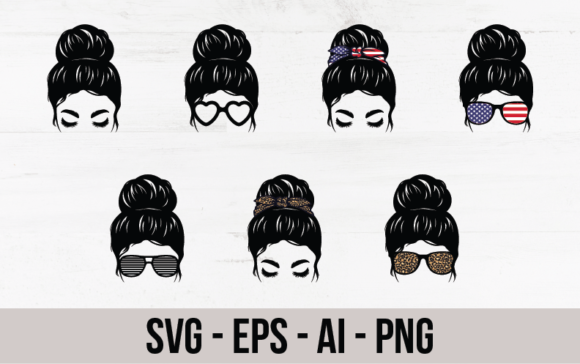
As a professional embroidery designer and product reviewer, I approach every new graphic with a specific question: will this actually stitch out well on fabric? When evaluating the Messy Bun Mom design bundle, my focus shifts immediately from the screen to the hoop. This SVG bundle, featuring bandana messy hair motifs and patriotic family life themes, is clearly marketed toward the Cricut and vinyl crowd. However, for those of us in the machine embroidery space, adapting these graphics requires a critical eye. The aesthetic is undeniably popular among moms and craft business owners, but translating a black-and-white cutting file into a durable, attractive embroidered patch or sweatshirt design demands technical consideration.
First Impressions and Visual Personality
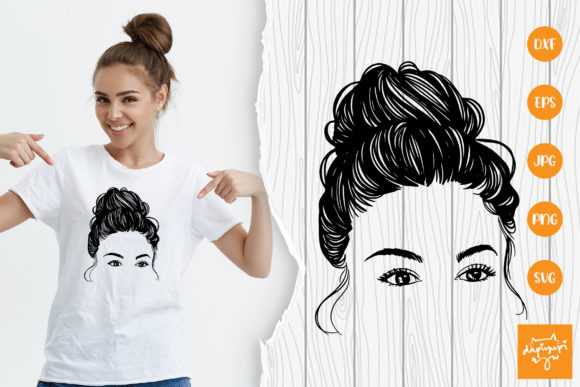
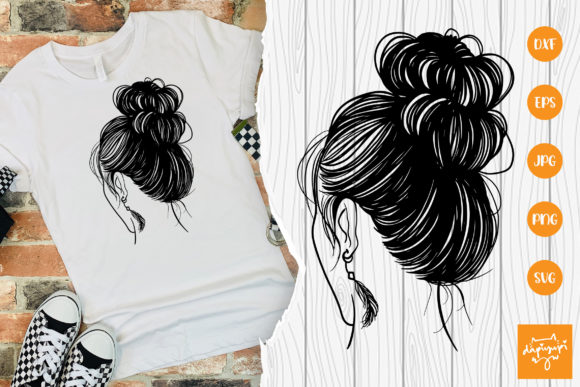
My initial assessment of Messy Bun Mom is that it captures a very specific, relatable mood. It is casual, approachable, and distinctly modern. The silhouette style works beautifully for embroidery because it relies on shape rather than intricate internal shading. For an Etsy seller or handmade shop owner, this visual personality is gold. It signals "relatable parenting" without being overly cutesy. As a digital embroidery file source, the clean lines suggest that digitizing this into an applique design or a dense fill stitch should be straightforward, provided the original vector points are smooth. The patriotic elements add a seasonal versatility that extends the product's shelf life beyond everyday wear, making it a smart asset for commercial embroidery projects targeting holidays like the Fourth of July or Memorial Day.
Real-World Application: The Custom Sweatshirt Test
To truly judge this design, I mentally placed it in a real-life scenario: creating a custom apparel piece for a boutique client wanting matching mom-group sweatshirts. In this context, Messy Bun Mom needs to perform as more than just a cute graphic; it needs to be a viable production asset. Sweatshirt embroidery presents unique challenges due to the fleece texture and stretch. Because this design likely originates as a cutting file, I would treat it as a foundation for an applique design rather than a direct stitch-out. Using the bandana messy hair outline as a placement line for cotton fabric scraps reduces stitch density significantly. This prevents the garment from becoming bulletproof and stiff, which is a common failure point when converting complex graphics directly to fill stitches.
For this specific project, I envision using a satin stitch border to secure the applique fabric, ensuring the edges remain crisp after washing. The patriotic accents could be rendered in metallic thread colors to elevate the perceived value of the finished product. This approach transforms a simple SVG into a premium handmade product that justifies a higher price point. Customers appreciate texture and dimension, and by adapting Messy Bun Mom for textile use rather than treating it like a vinyl decal, the result feels authentically crafted rather than mass-produced.
Navigating Fabric Limitations and Hoop Constraints
While the design is versatile, there are specific environments where caution is necessary. If you are planning baby embroidery or items for thin knits, the standard version of Messy Bun Mom might be too heavy. Baby clothes require lightweight stabilizer and minimal stitch counts to avoid irritating delicate skin or distorting the garment. In these cases, I recommend resizing the design down and converting solid areas to running stitch or light tatami fills. Always verify the hoop size requirements before purchasing; some messy bun designs are tall and narrow, which can be tricky for standard 4x4 hoops. You may need to split the design or rotate it to fit smaller machines commonly used by hobbyists and small shop product creators.
Dark fabrics also present a challenge with black-and-white source files. If you stitch white thread directly onto a navy sweatshirt without adequate underlay, the fabric color can bleed through, making the design look muddy. Proper stabilizer choice is non-negotiable here. A cut-away stabilizer is essential for stretchy fabrics to maintain registration, especially around the detailed curves of the bandana and hair. Furthermore, if you are creating an embroidered patch for caps or bags, ensure the design has enough negative space between elements. Tiny gaps that look fine on a monitor often disappear under thread tension, causing letters or details to merge into an unrecognizable blob.
Impact on Brand Consistency and Customer Trust
For creative entrepreneurs and Etsy sellers, consistency builds trust. Using Messy Bun Mom across various products—from tote bag designs to printable mockups—creates a cohesive brand identity. However, the transition between digital previews and physical goods must be seamless. A high-quality printable mockup helps customers visualize the final item, but only if the actual embroidery matches that expectation. If your stitch-out is puckered or the details are lost, customer satisfaction drops. Professionalism in embroidery comes from mastering the relationship between the digital file and the physical substrate. When buyers see that your personalized gift items have clean edges, appropriate density, and vibrant thread colors, they recognize the expertise behind the craft. This design, when executed correctly, serves as excellent portfolio content that demonstrates your ability to handle trendy, high-demand graphics with technical proficiency.
Essential Designer Notes for Success
Before listing any finished product or selling digital assets derived from this bundle, adhere to these practical protocols:
- Test Stitch First: Never run a production batch without testing Messy Bun Mom on scrap fabric identical to your final product. Check for registration issues and stabilizer adequacy.
- Verify Licensing: Confirm whether the license allows for commercial embroidery of finished goods versus digital redistribution. Many SVG bundles restrict reselling the file itself but permit selling physical embroidered items.
- Check Contrast: Test thread colors against both light and dark backgrounds. What looks bold in software may lack contrast on heather gray fabric.
- Inspect Small Details: Zoom in to 100% in your embroidery software. If text or facial features are smaller than 6mm, consider simplifying them to prevent needle breaks or poor clarity.
- Mockup Reality: Use realistic textures in your printable mockup rather than flat vectors. This sets accurate expectations for buyers regarding how the embroidery will actually appear.
- Stabilizer Matching: Pair the stabilizer weight to the fabric texture, not just the design size. Heavy designs on light fabric require different support than light designs on heavy canvas.
Final Thoughts on Versatility
Messy Bun Mom represents a significant opportunity for makers who understand adaptation. It bridges the gap between trending internet culture and tangible, heirloom-quality crafts. Whether you are producing holiday embroidery for a seasonal market pop-up or creating evergreen custom apparel for an online store, the success lies in your technical execution. By respecting the limitations of thread and fabric while leveraging the design's inherent charm, you can turn a simple graphic into a best-selling staple. Remember that in the world of machine embroidery design, the most beautiful file is one that stitches out perfectly every time. Treat this bundle as a starting point for your creativity, apply your professional judgment, and your finished products will stand out in a crowded marketplace.