Mom Day: A Designer’s Review for Embroidery
When evaluating a new asset for my design library, I look past the digital preview and immediately visualize the needle hitting fabric. As an experienced designer and product reviewer, I approach Mom Day not just as a graphic, but as a potential centerpiece for custom apparel and personalized gifts. While this product is primarily marketed as an SVG cut file compatible with Cricut Explore, Silhouette Cameo, Brother Scan N Cut, and other cutting machines, its clean vector lines make it a compelling candidate for conversion into a machine embroidery design. For Etsy sellers, craft business owners, and makers, understanding how this graphic translates from screen to stitch is vital for creating high-value handmade products.
First Impressions and Visual Personality
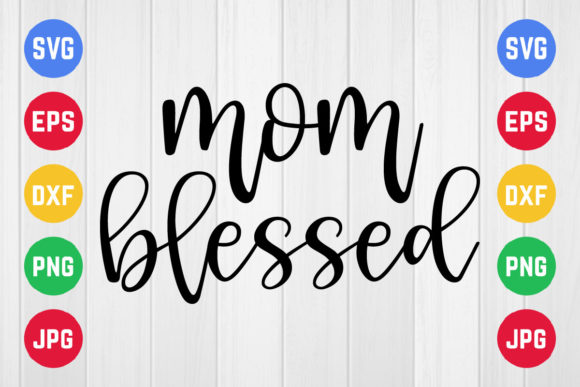
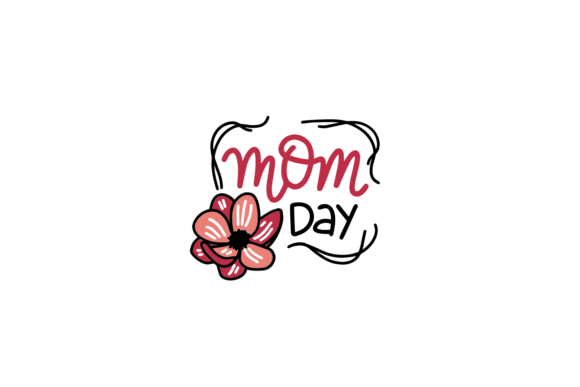
My initial assessment of Mom Day focuses on its structural integrity. In the realm of Graphics and Crafts, typography-driven designs often struggle when converted to thread because intricate serifs or distressed textures can become muddy. However, Mom Day presents a bold, legible silhouette that suggests excellent stitch clarity. The mood is celebratory yet grounded, striking a balance between sentimental warmth and modern aesthetic. This visual personality makes it versatile enough for both boutique merchandise and intimate family gifts. When I look at the layout, I see immediate potential for sweatshirt embroidery and tote bag design applications where readability from a distance is key. The shape holds its own without requiring excessive embellishment, which is crucial for maintaining reasonable stitch counts and production times in a commercial embroidery setting.
Real-World Application: The Custom Sweatshirt Test
To truly judge this asset, I mentally place it in a real-life scenario: preparing a premium crewneck sweatshirt for a Mother’s Day capsule collection. In this context, Mom Day serves as the anchor for a seasonal release. For a project like this, I would likely treat the vector file as an applique design rather than a dense fill stitch piece. Using the SVG to cut fabric shapes ensures crisp edges that a satin stitch border can secure beautifully. This hybrid approach reduces stitch density significantly, preventing the garment from becoming stiff or bulletproof—a common complaint with heavy holiday embroidery.
For small shop products and Etsy listings, this application method increases perceived value. Customers appreciate the texture of fabric-on-fabric combined with precise stitching. Furthermore, using Mom Day in this way allows for color customization that matches current trends without re-digitizing the entire embroidery file. Whether applied to a nursery pillow cover or a kitchen tea towel, the design’s scalability means it retains its charm across different hoop sizes. I can easily envision this on a baby onesie using soft running stitch outlines, or scaled up for a large embroidered patch on a denim jacket. The adaptability is what transforms a simple digital download into a profitable design asset for creative entrepreneurs.
Navigating Fabric Limitations and Technical Constraints
Despite its versatility, Mom Day requires careful consideration regarding substrate selection. Not every fabric is a suitable canvas for this specific graphic style. When working with textured fabrics like terry cloth or fleece, fine details can get lost. If the design includes delicate interior elements, I recommend using a water-soluble topping stabilizer to keep stitches visible and defined. Conversely, on thin or stretchy fabrics like jersey knits, the risk of puckering is real. Even though the SVG format implies clean lines, converting it to stitches adds physical weight. Always pair this design with appropriate cut-away stabilizer for knit apparel to maintain professional results.
I also advise caution when placing this design on curved surfaces like caps. Unless the Mom Day layout is specifically arched or compacted for hat hoops, flattening a wide design onto a curved brim can distort the lettering. Similarly, be mindful of tiny lettering if the design includes secondary text. Thread has physical limitations; letters smaller than 4mm often require specialized digitizing techniques to remain legible. For dark fabrics, ensure your thread colors offer sufficient contrast. A tone-on-tone approach might look elegant digitally but can disappear completely once stitched. Always test on scrap fabric first to verify that the visual hierarchy survives the transition from pixel to thread.
Elevating Product Value and Brand Consistency
Using Mom Day effectively goes beyond technical execution; it impacts buyer engagement and brand trust. In the competitive space of handmade products, consistency signals professionalism. If you are selling finished items, ensuring the embroidery looks intentional and polished builds customer confidence. A jagged satin stitch edge or poor registration can devalue the entire piece. By treating this SVG as a foundational template for high-quality digitizing, you elevate the final product above generic mass-market alternatives.
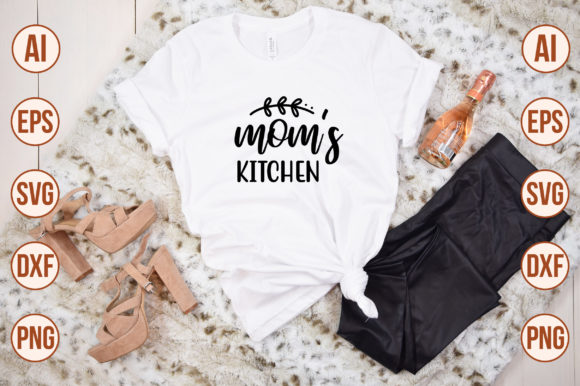
For digital product sellers offering printable mockups or design assets, presenting Mom Day in realistic contexts helps buyers visualize success. Show the design on a variety of blanks—from aprons to blankets—to demonstrate its range. This practical presentation aids fellow makers in understanding the design's utility. Remember that whether you are creating holiday gifts for personal use or commercial embroidery for sale, the goal is emotional resonance. The design should feel like a natural extension of the item it adorns, enhancing the giftability and recognition factor for the recipient or buyer.
Essential Designer Notes for Success
Before loading Mom Day into your machine or listing it in your shop, run through this practical checklist to ensure optimal outcomes:
- Verify Licensing: Confirm whether your purchase includes rights for commercial embroidery or only for digital cutting. Selling finished products versus selling the digital embroidery file often carries different license terms.
- Test Stitch Density: If converting the SVG yourself, avoid auto-digitizing. Manually adjust stitch types to prevent excessive density that could damage delicate fabrics.
- Check Hoop Compatibility: Measure the design dimensions against your available hoop sizes before starting. Resizing after digitizing can alter stitch properties and aspect ratios.
- Evaluate Contrast: Create black and white mockups to test value contrast. If the design relies solely on color differences rather than luminance, it may fail on certain fabric backgrounds.
- Stabilizer Selection: Match your stabilizer to the fabric weight. Use tear-away for stable wovens and cut-away for stretchy knits to prevent distortion during the satin stitch or fill stitch phases.
- Mockup Accuracy: When marketing this design, use realistic shadows and fabric textures in your previews. Flat digital renders do not convey the tactile quality of a finished embroidered product.
Ultimately, Mom Day represents a strong foundation for makers who understand the bridge between digital graphics and textile art. Its clean geometry and thematic relevance make it a reliable choice for everything from personalized gifts to boutique inventory. By approaching this design with a critical eye toward stitch mechanics and end-use application, you ensure that every project honors both the craftsmanship of embroidery and the sentiment behind the occasion. Always respect the technical boundaries of your machine and materials, and this design will serve as a valuable asset in your creative toolkit.