Mom's Favorite: A Designer’s Embroidery Review
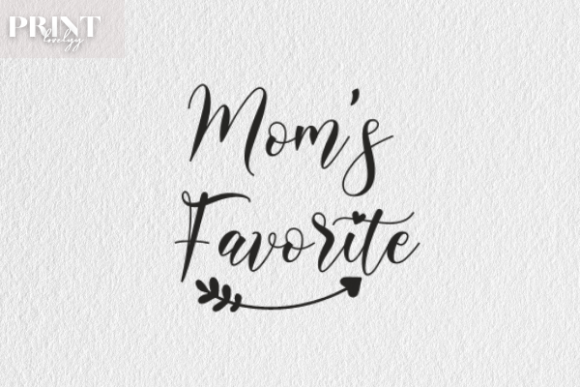
When evaluating a new graphic for potential embroidery adaptation, I always look beyond the screen. As a designer who bridges the gap between digital assets and tangible textiles, my first impression of Mom's Favorite is that it carries a distinct emotional weight suitable for the handmade market. While this product is listed as an SVG and PNG cutting file for machines like Cricut and Silhouette, its clean lines and sentimental typography suggest it has strong potential as a foundation for a custom machine embroidery design. The mood is warm, nostalgic, and universally appealing, which is exactly what buyers seek when commissioning a personalized gift or browsing Etsy for mother-centric merchandise.
From a visual standpoint, the layout feels balanced. It avoids overly intricate flourishes that often get lost in translation from vector to thread. This simplicity is a strength. When I assess graphics for crafts, I am looking for shapes that can be cleanly defined by a satin stitch border or a neat running stitch outline. Mom's Favorite appears to have enough negative space to allow for readable text if you choose to add personalization, yet enough substance to stand alone as a bold statement piece on custom apparel.
Real-World Application: The Sweatshirt Test
To truly understand the viability of this graphic, I mentally placed it into a current project scenario: creating a premium crewneck sweatshirt for a boutique client’s Mother’s Day capsule collection. In this context, Mom's Favorite needs to perform not just as art, but as a sellable product. Sweatshirt fleece is a textured, stable fabric that generally accepts embroidery well, but it demands respect regarding stitch density.
If I were adapting this file for sweatshirt embroidery, I would envision the main phrase rendered in a collegiate or varsity font style using fill stitches, perhaps with a contrasting chenille or puff effect for added tactile value. The phrase itself invites interaction; customers want to wear their identity as "Mom's Favorite" with pride. However, because the source is a cutting file, the conversion process requires careful attention. You cannot simply auto-digitize a complex SVG and expect professional results. I would manually trace the key elements to ensure the embroidery file flows logically, minimizing jump stitches and ensuring the design sits flat against the fleece without puckering.
For this specific use case, the design serves as excellent boutique branding. It transforms a generic garment into a high-value handmade product. The key here is execution; if the lettering is too thin, it will sink into the fleece. If it is too dense, it will create a bulletproof patch that ruins the drape of the sweatshirt. Testing on scrap fabric is non-negotiable before listing this as a finished item in your shop.
Navigating Fabric Limitations and Hoop Constraints
While Mom's Favorite shines on stable knits, I must advise caution when applying this concept to more challenging substrates. As an experienced reviewer, I have seen beautiful graphics fail because the maker ignored the relationship between the design and the material.
- Stretchy Fabrics: If you plan to use this on ribbed baby onesies or stretchy jersey knits for baby embroidery, you must use appropriate stabilizer. A cut-away stabilizer is essential to prevent the design from distorting after washing. The phrase implies a playful tone, but distorted stitching looks unprofessional.
- Textured Surfaces: On terry cloth towels or plush blankets, fine details disappear. If the original graphic has thin serifs or delicate accents, they should be thickened during the digitizing phase. Consider using an applique design technique where a fabric layer creates the base shape, reducing stitch count and improving coverage on high-pile fabrics.
- Small Hoop Sizes: Not everyone has a multi-needle machine with large hoops. If you are working with a standard 4x4 hoop, verify that the aspect ratio of Mom's Favorite fits without excessive resizing. Resizing a digitized design by more than 20% can compromise stitch integrity. Always check your specific hoop size limitations before purchasing or converting.
- Curved Surfaces: Adapting this for caps or hats requires specialized hooping and potentially re-digitizing the curve. Flat graphics often distort when wrapped around a cap brim. Test on a curved surface specifically if headwear is part of your business plan.
Commercial Viability for Makers and Sellers
For Etsy sellers and small business owners, time is money. Mom's Favorite offers significant commercial potential because of its broad demographic appeal. It works for adult children buying gifts, new mothers celebrating their status, and even grandparents. This versatility makes it a reliable asset for your design assets library.
However, professionalism dictates due diligence. Since this is marketed as a cutting file, you must confirm licensing terms regarding embroidery conversion. Some designers permit vinyl use but restrict digitizing for commercial sale. Always verify this before selling a finished product. Assuming rights can lead to shop closures and legal issues.
From a marketing perspective, this design supports excellent printable mockup creation. Because the original files are SVG/PNG, you can create crisp digital previews for your listings before you ever stitch a single thread. This allows you to test market interest and gather pre-orders. When photographing the actual embroidered patch or garment, ensure your lighting highlights the texture of the thread. Buyers trust sellers who show real stitch-outs rather than just digital renders. Showing the back of the embroidery also builds confidence in your finishing quality.
Designer Notes for Successful Execution
Before you load your hoop, consider these practical technical notes derived from years of troubleshooting production runs:
- Contrast Check: Test thread colors against both light and dark backgrounds. White thread on cream fabric may look elegant digitally but can vanish in reality. Ensure sufficient contrast for readability.
- Density Audit: Review the stitch density settings. For a phrase like this, aim for a balance that provides coverage without perforating the fabric. Satin stitches should generally stay under 7mm wide to avoid snagging.
- Detail Inspection: Zoom in at 100% view in your software. Are there tiny gaps between letters? Do connection points overlap sufficiently? Small errors on screen become glaring flaws in thread.
- Wash Testing: If this is intended for items requiring frequent laundering like kitchen towels or baby clothes, perform a wash test. Ensure the embroidery project holds up to agitation and heat drying without fraying or shrinking unevenly.
- Format Verification: Confirm your machine reads the converted format correctly. Just because a file is labeled compatible does not mean every version transfers perfectly. Keep a backup of your master digital embroidery file.
Final Thoughts on Design Integrity
Mom's Favorite represents the kind of timeless sentiment that sustains a craft business through seasonal trends. Its success in embroidery depends entirely on the maker's willingness to treat the source graphic as a blueprint rather than a final destination. By respecting fabric physics, verifying licenses, and prioritizing stitch quality over speed, you can elevate this simple phrase into a cherished heirloom or a best-selling shop staple. Whether you are creating a holiday embroidery keepsake or stocking your shelves with everyday small shop products, let practical judgment guide your needle. The result will be a product that honors both the design and the recipient.