Mom’s Mimi: A Designer’s Embroidery Review
When evaluating a new machine embroidery design for professional or small business use, the first question is never just about aesthetics. It is about translation. How does this graphic concept translate into physical thread on fabric? As a designer who regularly tests assets for custom apparel and handmade products, I approached Mom’s Mimi with a critical eye toward its real-world application. This isn't just another cute font in the Crafts category; it is a specific stylistic choice that demands the right context to succeed as a finished product.
First Impressions and Visual Personality
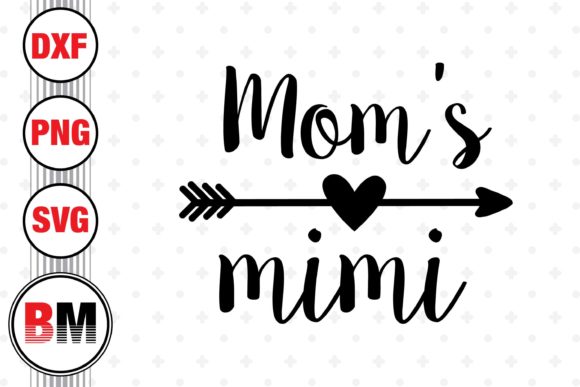
Mom’s Mimi immediately establishes a soft, nostalgic mood. In the realm of Graphics intended for embroidery, many designs suffer from being too rigid or overly complex. Mom’s Mimi avoids this by offering a fluidity that suggests movement, which is essential when converting vector lines into stitches. The layout feels organic rather than manufactured, making it particularly suitable for projects where warmth and approachability are key selling points.
For an Etsy seller or boutique owner, this visual personality is a significant asset. It doesn't scream "generic clip art." Instead, it carries enough unique character to serve as a signature element on personalized gifts. When I look at this design, I don't see a standalone image; I see a branding opportunity for makers focusing on motherhood, family heritage, or cozy lifestyle niches. However, this same softness requires careful handling during the digitization or stitching phase to ensure the delicate lines do not get lost in the texture of the fabric.
Real-World Application: The Custom Tote Bag Test
To truly judge the viability of Mom’s Mimi, I mentally placed it in a specific production scenario: creating a premium canvas tote bag design for a Mother’s Day collection. Totes are a staple for any craft business, but they present unique challenges due to the coarse weave of canvas and the structural seams.
In this scenario, Mom’s Mimi performs best when treated with intention. If utilizing the SVG or DXF files for a cut-and-sew applique design, the flowing lines allow for smooth edge finishing without excessive bulk. For direct embroidery, the design needs adequate space. On a 15oz canvas tote, I would avoid placing this design near the bottom gusset or side seams where the hoop cannot maintain consistent tension. The design’s open nature makes it ideal for center-chest placement on sweatshirt embroidery or centered above the pocket line on an apron.
From a customer perspective, this design communicates value. Buyers looking for holiday embroidery or sentimental keepsakes respond to typography and motifs that feel hand-drawn. Mom’s Mimi bridges the gap between digital precision and handmade charm. When stitched correctly on a natural linen or cotton blend, it elevates the perceived value of the item, distinguishing your shop from competitors using standard block lettering.
Navigating Fabric Limitations and Stitch Integrity
While versatile, Mom’s Mimi is not immune to the physics of embroidery. As a reviewer, I must highlight where caution is necessary to protect your reputation as a maker.
- Stretchy Fabrics: If applying this to jersey knits or performance wear for baby embroidery, the design’s likely reliance on finer details requires exceptional stabilization. Without a high-quality cut-away stabilizer and potentially a topping, the stitches may sink into the knit, distorting the legibility and aesthetic flow.
- Textured Surfaces: Avoid using Mom’s Mimi on terry cloth towels or heavy fleece without modification. The intricate curves can disappear into the pile. If you must use these fabrics, consider a knockdown stitch layer beneath the design or opt for the PNG version to create a heat-transfer vinyl hybrid instead of direct stitching.
- Small Hoop Sizes: Resizing is often necessary for sleeve cuffs or baby bibs. Be aware that reducing this design below its intended size may cause satin stitch columns to become too narrow, leading to thread breaks or poor coverage. Always verify the minimum safe size before committing to a production run.
- Dark Fabrics: Contrast is non-negotiable. Mom’s Mimi relies on shape definition. On black or navy garments, ensure your thread colors provide sufficient luminance. Pastel threads on dark backgrounds often require a white underlay to prevent the fabric color from muddying the design.
Commercial Viability and Brand Consistency
For creative entrepreneurs and digital product sellers, consistency builds trust. Mom’s Mimi offers a distinct style that can anchor a product line. Whether you are selling physical small shop products or digital assets, this design supports a cohesive brand identity. It pairs exceptionally well with minimalist botanical elements or simple geometric frames, allowing you to create variations without losing thematic unity.
However, commercial use extends beyond aesthetics. Before listing items featuring Mom’s Mimi, verify the licensing terms included in your download. Ensure you have the rights to sell finished commercial embroidery products versus digital files. Clarifying this upfront prevents legal headaches later. Additionally, if you are selling the digital embroidery file itself, your listing photos must accurately represent how the design stitches out, not just how it looks on screen. Customers rely on your expertise to know if a design will work for their specific machine and project.
Essential Pre-Stitch Checklist for Makers
Based on my evaluation, here are practical steps to ensure success with Mom’s Mimi in your studio:
- Test on Scrap First: Never stitch directly onto a final product without a test run. Use a scrap of the exact fabric and stabilizer combination you plan to use. Check for registration issues or puckering.
- Audit Stitch Density: Open the file in your software. Look for areas where fill stitch and satin stitches overlap excessively. High density causes stiffness and needle breaks. Adjust pull compensation if necessary.
- Mockup Validation: Create a printable mockup in black and white. This strips away color bias and reveals whether the design holds up based solely on value and form. If it looks muddy in grayscale, adjust your thread contrast.
- Verify File Formats: The download includes SVG, PNG, and DXF. Confirm which format your machine or cutting software prefers. While SVG is excellent for Cricut Design Space, your embroidery machine may require a converted PES, DST, or JEF file derived from these source graphics.
- Wash Testing: If creating custom apparel or baby items intended for frequent laundering, wash your test swatch. Observe if the design distorts or if the stabilizer remains stiff. Customer satisfaction depends on durability, not just initial appearance.
Final Verdict for the Working Embroiderer
Mom’s Mimi is a strong contender for makers seeking to add emotional resonance to their catalog. It excels in applications where sentiment drives sales, such as nursery decor, anniversary gifts, and maternal wellness merchandise. Its success, however, hinges on technical competence. It rewards the embroiderer who respects fabric limitations and takes the time to optimize stitch density and stabilization.
As a design asset, it offers flexibility across both print and stitch mediums, making it efficient for mixed-media businesses. Just remember that in embroidery, the file is only the blueprint. Your skill in selecting the right hoop size, managing tension, and choosing appropriate materials determines whether Mom’s Mimi becomes a cherished heirloom or a production failure. Treat it with the technical respect it deserves, and it will serve your business beautifully.