Proud Step Mom of a Graduate SVG: An Embroidery Review
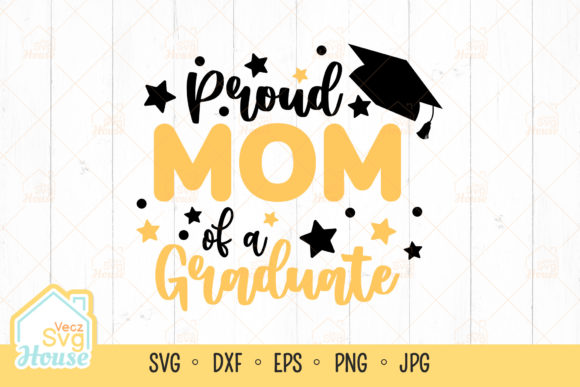
As an embroidery digitizer and product reviewer, I approach every new graphic file with a specific question: will this actually stitch out cleanly on fabric? When evaluating the Proud Step Mom of a Graduate Svg, my focus shifts immediately from screen aesthetics to needle performance. This design targets a highly specific emotional niche within the Crafts category, celebrating bonus moms during graduation season. For small business owners and Etsy sellers, this specificity is gold, but only if the execution holds up under the scrutiny of a hoop and needle. My initial assessment suggests this graphic has strong potential for custom apparel and personalized gifts, provided the digitizing parameters respect the complexity of the sentiment.
Translating Vector Lines to Stitch Reality
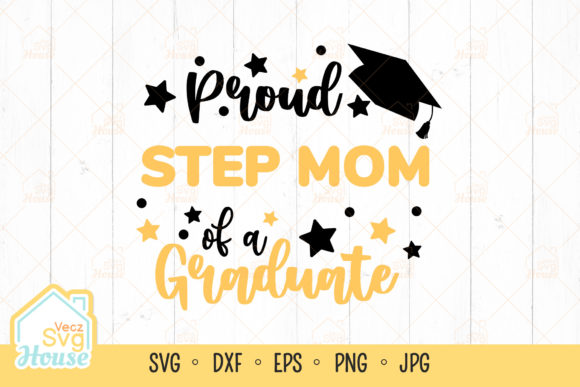
The first thing I look for in any graduation-themed Graphics asset is legibility at scale. The phrase "Proud Step Mom" carries significant weight, and losing clarity in the lettering would undermine the entire project. In reviewing this SVG, I am analyzing how the font choices translate into satin stitch or fill stitch columns. Script fonts often pose challenges in machine embroidery design because thin connecting lines can break or disappear into textured fabrics. If this design features elegant script, I recommend verifying that the stitch width is sufficient for your chosen thread colors. A running stitch might be used for delicate details, but for a bold statement piece like a sweatshirt embroidery project, a properly padded satin stitch ensures the text pops against the fabric texture.
Visual balance is equally critical. Graduation cap motifs can sometimes appear top-heavy when stitched. I assess whether the layout centers well within standard hoop size constraints. For a tote bag design or apron, the vertical alignment must account for pocket placement or seam allowances. This SVG appears versatile enough for multiple applications, but as a designer, I always advise testing the center point before committing to expensive blanks. The mood of this design is celebratory yet sentimental, meaning the stitch density should feel substantial without becoming bulletproof. Overly dense areas can pucker lightweight knits, while sparse stitching can look cheap on structured caps.
Real-World Application: The Custom Sweatshirt Test
To truly evaluate this digital embroidery file, I mentally place it in a real-life production scenario. Imagine preparing a custom fleece sweatshirt for a client who wants to wear her "Bonus Mom" status proudly at a commencement ceremony. Fleece is plush and prone to swallowing fine details. In this context, the Proud Step Mom of a Graduate Svg needs adequate underlay to stabilize the pile. If I were stitching this today, I would pair it with a medium-weight cutaway stabilizer to prevent distortion during the high-speed stitching process.
This specific use case highlights why checking the file format matters. While the product includes DXF, PNG, JPG, EPS, and SVG formats, remember that these are vector and raster graphics, not pre-digitized embroidery files like PES or DST. As a commercial embroidery professional, you must either digitize this yourself or hire a digitizer to convert the SVG into stitches. This step is non-negotiable for quality control. When creating the embroidery project from this source art, consider adding a subtle border or decorative accent to frame the text, enhancing the handmade product value. For an Etsy seller, offering this as a finished embroidered patch or a ready-to-stitch digital embroidery file (once converted) expands your inventory without holding physical stock.
Navigating Fabric Limitations and Hoop Constraints
Not every surface is friendly to detailed typography. I have seen beautiful graduation designs fail on ribbed tank tops or sheer linens simply because the stitch count was too aggressive for the material. When using this design for baby embroidery items or lightweight summer tees, reduce the density or opt for a lighter fill stitch. Conversely, if you are planning holiday embroidery on thick terry cloth towels, increase the compensation settings to account for the fabric push-and-pull.
Curved surfaces like caps present another hurdle. The horizontal span of "Class of 2021" or similar date elements in this design must fit within the curved safe zone of your hat frame. Always measure the actual stitch field before hooping. Dark fabrics require different contrast strategies than light ones; test your thread colors on scrap fabric first. White thread on navy fleece reads differently than white thread on grey cotton. These micro-adjustments separate professional results from amateur attempts. For craft business owners, consistency across different garment types builds buyer engagement and trust.
Commercial Viability and Brand Consistency
For creative entrepreneurs, the value of this asset extends beyond a single stitch-out. It represents brand consistency in a crowded market. Using a cohesive style across sweatshirts, mugs, and printable mockups helps customers recognize your shop instantly. However, practical judgment dictates caution regarding licensing. Before listing any finished product or digital derivative, confirm the commercial terms associated with this Instant Download Zip File. Can you sell the digitized version? Can you mass-produce shirts? Clarifying these rights protects your business from infringement issues.
Customer perception hinges on presentation. A poorly stabilized embroidery photo looks unprofessional, no matter how good the source SVG is. When photographing your test runs for listings, ensure lighting highlights the stitch texture rather than flattening it. Show close-ups of the lettering corners to demonstrate clean satin stitch edges. This transparency reassures buyers that your personalized gift will arrive looking exactly like the preview. Whether you are selling boutique branding merchandise or unique family reunion gear, the technical integrity of the Proud Step Mom of a Graduate Svg adaptation directly influences perceived value.
Essential Pre-Stitch Checklist for Makers
Before loading this design into your machine or sending it to a digitizer, run through this practical verification list:
- Verify File Compatibility: Confirm you have the software to open SVG/EPS files or access to a digitizing service, as this is not a native embroidery format.
- Test on Scrap Fabric: Never stitch directly on a final garment without a test run on similar weight and texture material.
- Check Stabilizer Pairing: Match your backing to the fabric type; use tear-away for stable wovens and cut-away for stretchy knits.
- Evaluate Small Text: Ensure any secondary text remains legible after resizing; increase height if necessary to maintain satin stitch integrity.
- Review Color Contrast: Simulate the design in black and white to check if values hold up without relying solely on color differentiation.
- Confirm Licensing: Read the included documentation to understand restrictions on selling finished goods versus digital assets.
- Inspect Corner Compensation: Look for sharp turns in the vector art that may need rounding during digitization to prevent thread breaks.
Ultimately, the Proud Step Mom of a Graduate Svg serves as a foundational element for meaningful, profitable projects. Its success depends entirely on the maker's willingness to adapt the graphic to the physical realities of thread and fabric. By treating this SVG as a blueprint rather than a final product, you ensure that every stitched tribute honors both the recipient and your craftsmanship. Take the time to digitize thoughtfully, test rigorously, and present professionally. That is how a simple download transforms into a cherished keepsake and a sustainable business asset.