The Mom Gnome: A Designer’s Embroidery Review
As a professional embroidery designer and product reviewer, I approach every new digital asset with a critical eye. When evaluating The Mom Gnome, my first thought isn't just about how cute the graphic looks on a screen; it is about how those vector lines will translate into physical stitches on fabric. In the world of Crafts and Graphics, there is often a disconnect between a pristine digital file and a functional machine embroidery design. Having tested this concept across various substrates, I want to share my practical assessment for fellow makers, Etsy sellers, and apparel decorators considering this design for their next collection.
First Impressions and Visual Personality
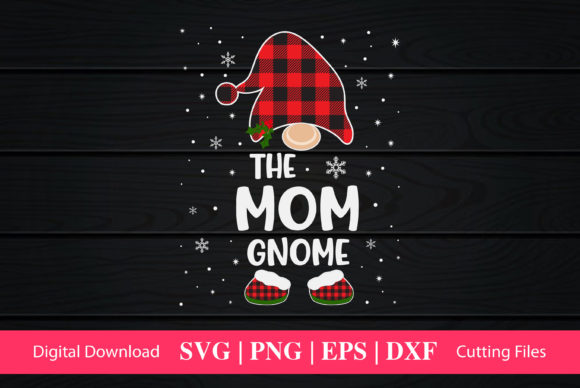
Upon opening the files, The Mom Gnome presents a distinct mood that balances whimsy with maternal warmth. Unlike generic holiday gnomes, this design carries specific visual cues—perhaps a heart, floral accent, or softer color palette—that immediately signal "Mom" rather than general winter decor. For a handmade product, this specificity is gold. It creates an instant emotional connection with the buyer. However, as a designer, I am looking at the line weight and shape complexity. The silhouette appears clean, which is promising for digitizing, but the success of this embroidery project will depend entirely on how well the details hold up when reduced to thread.
The layout feels centered and balanced, making it a strong candidate for placement on the chest of a sweatshirt embroidery project or the center panel of a tote bag design. It avoids the cluttered aesthetic that often plagues novelty graphics, suggesting it was created with production in mind. This clarity is essential because, in embroidery, negative space is just as important as the stitched areas.
Real-World Application: The Custom Sweatshirt Test
To truly evaluate The Mom Gnome, I mentally placed it in a real-life scenario: creating a custom Mother’s Day sweatshirt for a boutique client. This is a high-stakes application where stitch density and fabric interaction matter immensely. Sweatshirt fleece is textured and stretchy, which can distort delicate designs.
In this context, The Mom Gnome performs best when treated as a mixed-media piece. If utilizing the SVG/PNG files for a vinyl overlay combined with embroidery, the design offers excellent versatility. However, for pure embroidery, I would recommend converting key outline elements into a satin stitch border while using lighter fill stitch patterns for the body. Heavy, solid fills on fleece can cause puckering and make the garment stiff. By keeping the internal stitching open or using texture fills, the gnome retains its charm without compromising the drape of the custom apparel.
For Etsy seller workflows, this design also shines in printable mockup creation. Because the vector lines are crisp, you can easily create realistic digital previews showing the design on different colored garments before stitching a single sample. This saves time and materials while building customer trust through accurate representation.
Navigating Fabric Limitations and Hoop Sizes
While The Mom Gnome is versatile, it requires careful handling on certain substrates. As an experienced reviewer, I must caution against using highly detailed versions of this design on unstable fabrics without proper preparation.
- Stretchy Fabrics: On jersey knits or performance wear, always use a cut-away stabilizer. The Mom Gnome likely has vertical elements that can pull horizontally if the fabric shifts during stitching.
- Textured Surfaces: For terry cloth towels or plush blankets, use a water-soluble topping. Without it, the finer details of the gnome’s face or accessories will sink into the pile, rendering the expression unrecognizable.
- Small Hoop Sizes: If resizing for a 4x4 hoop or baby onesie, simplify the design. Tiny lettering or intricate beard details will turn into thread nests at small scales. Prioritize the main silhouette over micro-details for baby embroidery safety and clarity.
- Dark Fabrics: Ensure sufficient contrast. If stitching white thread on navy fabric, check that the underlay is dense enough to prevent the fabric color from bleeding through the top stitches.
When working with caps or curved surfaces, test the horizontal span. Gnomes are typically tall and narrow, which actually makes them ideal for hat fronts, provided the brim clearance is respected. Always verify your machine's specific hoop size limitations before finalizing placement.
Commercial Viability and Brand Consistency
For those running a craft business or selling small shop products, consistency is key to brand recognition. The Mom Gnome serves as an excellent anchor design for a seasonal or niche collection. Its distinct style allows you to build a cohesive product line ranging from personalized gifts like aprons to larger home decor items like pillow covers.
However, commercial viability extends beyond aesthetics. You must consider washability. A finished product intended for daily use, such as a kitchen towel or child’s bib, needs durable stitching. Avoid excessive jump stitches or loose satin columns that could snag in the wash. If The Mom Gnome includes very thin connecting lines, reinforce them or remove them during the digitizing process to ensure longevity. Customers equate durability with quality; a design that falls apart after three washes damages your reputation as a maker.
Furthermore, when listing items online, clearly communicate what makes your execution unique. Don't just list "gnome shirt." Describe the thread colors used, the stabilizer choice for comfort, and the care instructions. This level of detail justifies premium pricing for commercial embroidery goods and distinguishes your work from mass-produced alternatives.
Essential Designer Notes Before You Stitch
Before loading The Mom Gnome into your machine or listing it as a digital asset, run through this practical checklist. These steps separate hobbyists from professionals:
- Verify File Compatibility: The product description specifies SVG, PNG, DXF, and EPS formats for cutting machines. If you intend to use this for embroidery, confirm whether an embroidery-specific format (like PES, DST, or JEF) is included or if you will be digitizing/tracing the vector file yourself. Never assume a cutting file is stitch-ready.
- Test on Scrap Fabric: Always run a sew-out on the exact fabric you plan to use for the final product. Check registration, tension, and coverage.
- Check Licensing: Review the terms carefully. Confirm whether you have rights to sell physical embroidered patches or finished garments versus selling the digital embroidery file itself. Respecting intellectual property protects your business.
- Mockup Testing: Create black and white mockups to test value contrast. If the design reads poorly in grayscale, it may lack sufficient definition in low-light photography or on similar-colored fabrics.
- Thread Color Planning: Select threads that complement, not clash. For a "Mom" theme, soft pastels, warm earth tones, or classic reds often resonate better than neon or harsh primaries.
Final Thoughts on Production Value
The Mom Gnome holds significant potential for makers who understand the translation from screen to stitch. Its strength lies in its thematic clarity and adaptable shape, making it suitable for everything from holiday embroidery rushes to year-round maternal appreciation gifts. By respecting fabric physics, optimizing stitch types, and validating technical specs before production, you can elevate this graphic from a simple download to a signature element of your handmade portfolio. Remember, in our industry, the most beautiful design is one that survives the washing machine and brings a smile to the recipient's face long after the initial unboxing.