Hot Mess Express Mom Club: A Designer's Review
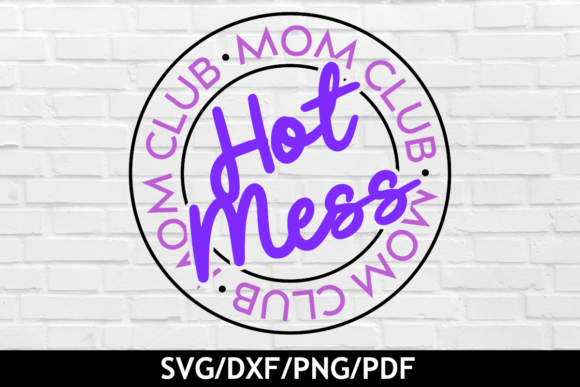
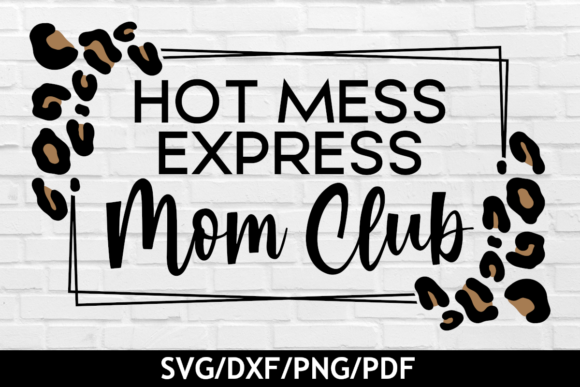
As a professional embroidery digitizer and product reviewer, I approach every new graphic with a specific question: will this actually stitch out well on fabric? When evaluating the Hot Mess Express Mom Club design, my first impression is that it captures a very specific, relatable cultural moment. The combination of bold typography with the cheetah print aesthetic creates a visual personality that is both trendy and humorous. For those of us in the Crafts industry, specifically creating Graphics for apparel, this design hits a sweet spot between novelty and boutique style. However, translating a layered SVG intended for cutting machines into a successful embroidery project requires careful consideration of stitch types, fabric choices, and end-use durability.
Translating Vector Graphics to Stitched Reality
The product description highlights that this is a layered SVG, DXF, PNG, and PDF package primarily made for cutting machines. As an embroidery designer, I see this as a versatile starting point rather than a finished embroidery file. The layered nature of the SVG is actually a significant advantage for digitizing. It allows you to separate the cheetah print elements from the text, giving you control over how each component is rendered in thread. You might choose a complex fill stitch or even an applique design approach for the cheetah background to reduce stitch density, while keeping the "Hot Mess Express Mom Club" lettering in a clean satin stitch or running stitch for maximum legibility.
Because the source is vector-based, the lines are crisp. This is crucial when digitizing custom apparel. Fuzzy raster images often lead to jagged stitch paths, but working from this SVG ensures your machine embroidery design will have smooth curves and sharp corners. I recommend using the PNG version for creating printable mockups to show clients before you commit to stitching, ensuring the layout fits their vision perfectly.
Real-World Application: The Coffee Run Sweatshirt Test
To truly evaluate this design, I mentally placed it in a real-life scenario: a custom embroidered sweatshirt for a local mom’s group or an Etsy listing targeting new mothers. Imagine a heather grey crewneck sweatshirt. The "Hot Mess Express Mom Club" theme demands a relaxed, casual vibe. In this context, the design needs to be large enough to be readable from a distance but not so dense that it creates a bulletproof patch on the chest.
For this sweatshirt embroidery project, I would utilize the layered SVG to create a mixed-media look. The cheetah print could be executed as a textured fill stitch to mimic fur without excessive density, while the text remains bold. This balance is vital for customer satisfaction. If the design is too heavy, the garment drapes poorly; if it is too sparse, it looks cheap. The humor of the phrase relies on the presentation looking intentionally stylish, reinforcing the irony of the "hot mess" label. This level of thoughtfulness is what separates a high-value handmade product from a generic craft fair item.
Fabric Selection and Stabilizer Strategy
Where you place this design matters as much as how you stitch it. While it shines on fleece and cotton blends, I would advise caution when applying this to highly textured fabrics like terry cloth towels or uneven knits. The intricate details of a cheetah pattern can get lost in the pile of a towel, and small lettering may sink into the texture. If you must use textured fabric, consider adding a water-soluble topping to keep the stitches visible.
Stretchy fabrics present another challenge. Because this design likely involves a combination of text and graphical elements, registration is key. If you are stitching on a stretchy jersey knit for baby embroidery or lightweight tees, use a cut-away stabilizer rather than tear-away. The tension required for satin stitch borders around the cheetah shapes can distort thin fabric if not properly supported. Always test your stabilizer choice on a scrap piece first. A distorted design ruins the professional finish that buyers expect from commercial embroidery vendors.
Navigating Hoop Sizes and Detail Limitations
One practical constraint to watch for is the hoop size relative to the design's detail level. The phrase "Hot Mess Express Mom Club" contains several words. If you attempt to shrink this down for a 4x4 hoop or a baby onesie, the lettering may become illegible. Satin stitches have a minimum width before they turn into running stitches or fail to form properly. Before purchasing or digitizing, measure your available hoop space and compare it to the aspect ratio of the SVG.
If you are limited to smaller hoops, consider splitting the design. You could stitch the cheetah element in one hooping and the text in another, or rearrange the layout to stack the words vertically. This flexibility is where owning the digital embroidery file assets pays off. Conversely, for large tote bag designs or apron fronts, ensure the design is scaled up proportionally so the stitch density doesn't become too sparse, which can make the embroidery look unfinished.
Commercial Viability and Brand Consistency
For Etsy sellers and small shop owners, this design offers strong commercial potential because it targets a passionate niche. However, brand consistency is essential. If your shop specializes in minimalist, neutral-toned nursery decor, a loud cheetah print might feel out of place unless styled carefully. On the other hand, if your brand focuses on relatable parenting humor and bold aesthetics, this is a perfect addition.
When listing finished products, use the provided PNG to create high-quality digital previews, but always include photos of actual stitched samples. Customers need to see how the thread colors interact with the fabric texture. Does the cheetah print use variegated thread or solid colors? How does the text contrast against the animal print? These details build buyer trust. Furthermore, verify the licensing terms included with the file. Confirm whether you have rights to sell physical embroidered items, digital files, or both. Protecting your business means respecting the intellectual property of the original graphic designer.
Designer Notes for Optimal Results
Before running this design on a final product, follow these practical steps to ensure professional quality:
- Test Stitch First: Never run a new design directly on a client’s garment. Use scrap fabric similar in weight and stretch to your final project to check for puckering or registration issues.
- Check Thread Contrast: Cheetah print typically uses tan, brown, and black. Ensure your text color contrasts heavily against these tones. White or bright pink text often pops better than dark grey against this specific background.
- Evaluate Stitch Density: Since this originates as a cutting file, auto-digitizing software might create unnecessarily dense fills. Manually adjust the density to prevent needle breaks and fabric distortion.
- Mockup in Black and White: Viewing the design in grayscale helps you identify value contrast issues that color might hide. If the text disappears in black and white, it will likely struggle in thread form.
- Confirm Licensing: Double-check if the license covers commercial embroidery sales versus just personal crafting. This distinction is critical for business owners.
Ultimately, the Hot Mess Express Mom Club graphic is a fantastic asset for makers who understand the translation from screen to fabric. By respecting the technical requirements of machine embroidery and leveraging the layered SVG format intelligently, you can transform this trendy graphic into a best-selling personalized gift or boutique staple. Whether you are making a holiday gift for a friend or stocking your online store, thoughtful execution is what turns a digital file into a cherished handmade product.