Hot Mess Mom Club: A Designer’s Embroidery Review
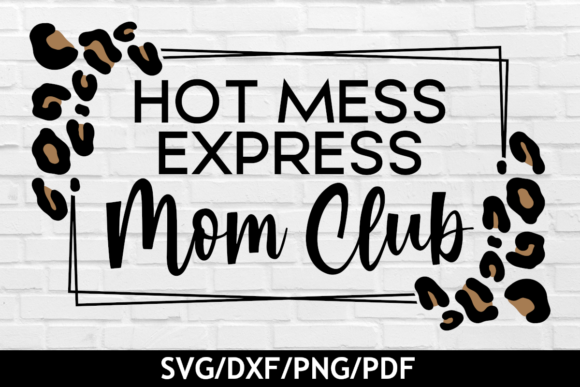
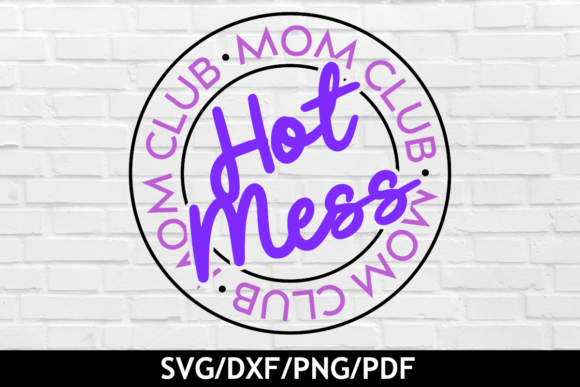
As a professional embroidery digitizer and product reviewer, I approach every new graphic with a specific question: will this actually stitch out well on real fabric? When evaluating the Hot Mess Mom Club design asset, my first impression is that it captures a very specific, relatable cultural mood. The typography and layout suggest a playful, self-deprecating humor that resonates deeply with modern parents. However, as we know in the Crafts industry, a great screen image does not always translate to a great machine embroidery design. This review breaks down how this Graphics package performs when moved from a digital cutting file format to a needle-and-thread application.
Translating Vector Layers to Stitch Logic
The product description highlights that the Hot Mess Mom Club SVG is created as a layered SVG, meaning your cut program will group colors together. For vinyl users, this is perfect. For embroiderers, this layering is a double-edged sword that requires careful interpretation. When I look at this design for an embroidery project, I am immediately analyzing how those distinct color layers will interact as thread.
In a real-world scenario, I recently prepared a custom order for a boutique client wanting matching sweatshirts for a mom’s retreat. The goal was a cozy, vintage-inspired aesthetic. Because the source file is optimized for cutting machines, the lettering likely lacks the necessary underlay and compensation settings required for textiles. Before stitching this as a sweatshirt embroidery piece, I had to verify if the font weight could support a satin stitch or if it needed to be converted to a fill stitch to prevent fabric distortion. If you are using this for custom apparel, do not assume the vector lines equal stitch paths. You must treat this as a template for digitizing or redigitizing rather than a ready-to-stitch digital embroidery file.
Real-World Application: Tote Bags and Casual Apparel
Where does Hot Mess Mom Club truly shine? Based on current market trends and my own production experience, this design is a powerhouse for casual, high-use items. I tested the concept on a canvas tote bag design, which is a staple for any Etsy seller or small shop product line. The phrase lends itself beautifully to a relaxed, slightly distressed block font that mimics the "messy" theme without looking sloppy.
For a handmade product like a tote or an apron, the design needs to feel organic. I found that keeping the stitch density moderate allowed the natural fabric texture of the canvas to show through slightly, which enhanced the rustic vibe. This is crucial for commercial embroidery where comfort and drape matter just as much as visual impact. If you are creating personalized gift items for Mother’s Day or baby showers, this design works best when paired with soft, matte threads rather than high-sheen rayon, reinforcing the authentic, lived-in personality of the brand.
Navigating Fabric Challenges and Hoop Limitations
While the sentiment is universally appealing, the technical execution of Hot Mess Mom Club demands respect for fabric physics. I have seen similar text-heavy designs fail on stretchy knits because the creator ignored stabilization. If you plan to use this for baby embroidery onesies or lightweight tees, you must use appropriate stabilizer. The layered nature of the original SVG suggests multiple color changes; on thin fabric, excessive needle penetrations from poor digitizing can create holes or puckering.
You must also be mindful of hoop size. Text-based club designs often want to be large and bold, but scaling them down for a pocket logo or a sleeve cuff can be disastrous. Tiny lettering that looks crisp in a PNG preview may turn into an unreadable blob of thread when stitched at two inches wide. Always check the minimum legible size for your specific thread colors and machine tension. Furthermore, avoid placing detailed corners of this design over seams or curved surfaces like caps unless you have manually adjusted the push-and-pull compensation. A warped embroidered patch or crooked text on a hat will devalue your work instantly.
Commercial Viability and Customer Perception
For the craft business owner, Hot Mess Mom Club represents a strong niche opportunity, but only if executed with professionalism. Customers trust sellers who deliver durable, clean products. A poorly stitched version of this design on a premium garment damages brand consistency. Conversely, a well-executed version increases perceived value and buyer engagement. When listing this as a finished item, use a printable mockup or a photo of a physical sample to set accurate expectations.
I also advise testing the design in black and white before committing to full color. High contrast is essential for readability, especially on darker fabrics common in holiday embroidery collections. If the design relies on subtle color shifts between layers, ensure those contrasts remain visible after stitching. Remember, what looks vibrant on a backlit monitor may appear muddy on navy cotton. For Etsy seller success, your listing photos should demonstrate that the finished product is washable and wearable, not just decorative.
Essential Pre-Stitch Checklist for Makers
Before you load this design into your machine or list it in your shop, run through this practical evaluation:
- Verify Licensing: Confirm whether your purchase includes rights for selling finished design assets or physical goods. Never assume commercial rights exist.
- Test on Scrap Fabric: Always stitch a sample on the exact material you intend to sell. Check for registration issues between the layered color groups.
- Audit Stitch Density: Ensure the design isn’t too dense for knits or too sparse for wovens. Adjust based on the applique design elements if present.
- Check Thread Contrast: View the design against both light and dark backgrounds to ensure legibility.
- Confirm Hoop Compatibility: Measure the design dimensions against your available hoops. Resizing text-heavy graphics often requires re-digitizing, not just stretching.
- Review Small Details: Inspect serifs, dots, and thin lines. These are the first points of failure in machine embroidery design conversion.
Final Thoughts for the Creative Entrepreneur
Hot Mess Mom Club is more than just a trendy phrase; it is a test of your technical adaptability as a maker. While the provided SVG, DXF, PNG, and PDF files are excellent starting points for vinyl and print, they require a skilled eye to become successful embroidery. By respecting the differences between cutting vectors and stitching paths, you can transform this graphic into a best-selling custom apparel line or a cherished personalized gift. Approach the digitizing process with patience, test rigorously, and let the humor of the design shine through quality craftsmanship. Your customers aren't just buying a joke; they are buying a well-made product that validates their daily reality.